
How to Spot It, Stop It, and Protect Your Business
In 2024, one of the world’s largest healthcare payment firms, Change Healthcare, was hit by a cyberattack linked to stolen credentials and social engineering tactics commonly tied to phishing-style intrusion paths. The result was widespread disruption across the United States. Pharmacies struggled to process prescriptions. Hospitals faced payment delays. Clinics battled administrative confusion. Patients felt the shock of a digital crime they never saw.
The Change Healthcare cyber attack faced in February 2024 was a seismic healthcare cybersecurity incident, marking the largest medical records breach in U.S. history, impacting 190 million Americans.
That is the modern shape of phishing and credential theft. One deceptive message, one stolen login, one careless click, and systems people depend on can stagger like a wounded giant.
Many still imagine cybercrime as hooded hackers smashing through firewalls in dark rooms. Often, it is far simpler than that. A fake email. A counterfeit login page. A message dressed in trust.
Every day, thousands of people open an email, click a link, and hand over their passwords without knowing it. No broken window. No masked intruder. No loud alarm. Just one click.
That is phishing.
Phishing is one of the oldest tricks on the internet, yet it remains one of the most effective. Why? Because it does not attack machines first. It attacks trust.
At Dell Wall Technologies, we have seen many businesses invest in computers, websites, CCTV, and internet connectivity, yet leave the front gate wide open through poor email habits and weak staff awareness. A company can own strong locks, but still leave the key under the mat.
What Is Phishing?
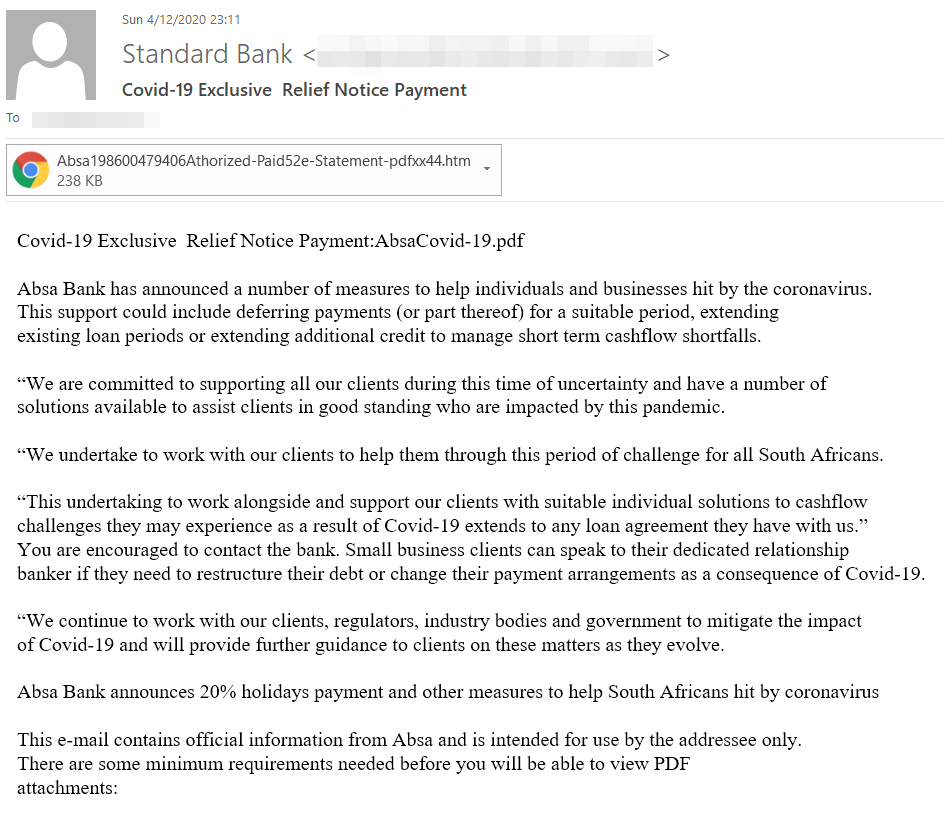
Phishing is a cybercrime where attackers pretend to be a trusted person or organisation to trick you into giving sensitive information.
This may include:
- Email passwords
- Bank details
- Mobile money PINs
- Company login credentials
- Personal information
- One-time passwords (OTP codes)
The attacker often pretends to be:
- Your bank
- URA
- NSSF
- Airtel or MTN
- Microsoft or Google
- Your boss
- A supplier or client
The message usually creates panic, urgency, or curiosity.
Examples:
- Your account will be suspended today
- Unpaid invoice attached
- Confirm your payment now
- You have won a reward
- CEO requests urgent transfer
The fisherman uses bait because fish love food. The scammer uses fear because humans hate delay.
Common Types of Phishing
1. Email Phishing
The classic trap. A fake email asks you to click a link or open an attachment.
2. Spear Phishing
A more targeted version. The attacker knows your name, company, or role.
3. Business Email Compromise (BEC)
An attacker impersonates a director or finance officer and requests payment.
4. Smishing
Phishing through SMS messages.
5. Vishing
Voice phishing through phone calls.
Signs of a Phishing Attempt
Many phishing emails are not masterpieces. They often limp when you inspect them closely.
Watch for:
- Strange sender email addresses
- Poor grammar or odd wording
- Urgent threats or pressure
- Unexpected attachments
- Links that look suspicious
- Requests for passwords or OTPs
- Messages sent outside normal working hours
- Slightly altered company names
For example:
support@m1crosoft-help.com is not Microsoft. It is a wolf wearing office shoes.
Why Businesses in Uganda and Africa Must Take This Seriously
Many growing businesses assume cybercriminals only target banks or large foreign firms. That is a dangerous myth.
Attackers often prefer smaller organisations because:
- Staff may lack cybersecurity training
- Passwords are reused
- Backups are weak
- Email systems are poorly secured
- Financial approvals are informal
A business may lose money in one afternoon, then spend months repairing trust.
How to Protect Yourself and Your Company
Train Your Staff
Technology helps, but trained people help more. Staff should know how phishing works and how to report suspicious messages.
Use Multi-Factor Authentication (MFA)
Even if a password is stolen, MFA adds another wall.
Verify Payment Requests
If someone asks for urgent payment, call them using a known number. Do not trust the email alone.
Check Links Before Clicking
Hover over links and inspect where they lead.
Use Strong Email Security
Spam filters, anti-malware tools, SPF, DKIM, and DMARC help reduce spoofed emails.
Keep Systems Updated
Old software is a welcome mat for criminals.
Back Up Data Regularly
When trouble comes, backups turn disaster into inconvenience.
What To Do If You Clicked a Phishing Link
Act fast.
- Disconnect from the internet if malware may have downloaded
- Change your password immediately
- Inform your IT team
- Scan the device for threats
- Review account activity
- Notify affected contacts if your email was compromised
Delay is the criminal’s best friend.
How Dell Wall Technologies Can Help
At Dell Wall Technologies, we help organisations strengthen their cyber defenses through:
- Email security setup
- Staff awareness training
- Website and server hardening
- Network security reviews
- Incident response support
- Backup and recovery planning
- Managed IT support
Cybersecurity is not only for giant corporations in glass towers. It is for schools, NGOs, farms, law firms, hotels, clinics, and growing businesses right here at home.
Final Word
Phishing succeeds because it borrows the face of trust. In an age of fast clicks and crowded inboxes, caution is wisdom.
Before you click, pause. Before you pay, verify. Before you assume, inspect.
One careful minute can save years of damage.
Need help securing your business against phishing attacks? Contact Dell Wall Technologies today.